Most homeowners should schedule a professional plumbing inspection once a year. An annual plumbing inspection can help identify small leaks, worn components, drain concerns, water-heater issues, and early signs of sewer trouble before they lead to expensive repairs or water damage.
However, the right inspection schedule depends on the age of the home, plumbing materials, water usage, previous repair history, and whether the property has experienced leaks, drain backups, or other recurring issues.
For homeowners asking, “How often should plumbing be inspected?” a yearly visit is a practical preventative maintenance starting point. Older homes, properties with mature trees, homes with frequent plumbing problems, or households with high water use may benefit from more frequent inspections or targeted service.
Quick Answer: How Often Should Plumbing Be Inspected?
A general plumbing-inspection schedule may look like this:
- Most homes: once each year
- Older homes: annually, with additional service when issues appear
- Homes with prior leaks or sewer backups: at least annually and as recommended after repairs
- Homes with mature trees near sewer lines: periodic sewer evaluation when symptoms occur
- Homes with water-heater concerns, recurring clogs, or pressure changes: schedule service promptly rather than waiting for the next annual visit
- Homes being bought or sold: consider a dedicated plumbing and sewer evaluation before closing
A professional plumber can recommend a maintenance schedule based on the actual condition of the home’s plumbing system.
Why Annual Plumbing Inspections Matter
Most plumbing systems are hidden behind walls, beneath floors, in ceilings, under sinks, and underground. That means problems can develop for weeks or months before they become visible.
A small hidden plumbing leak can damage drywall, flooring, cabinets, insulation, and framing before a homeowner notices a stain or musty smell. Slow drain buildup can become a complete blockage. A worn water-heater component can turn into a leak or loss of hot water. A sewer line issue can become a disruptive backup. Preventative maintenance focuses on identifying concerns while they are still manageable.
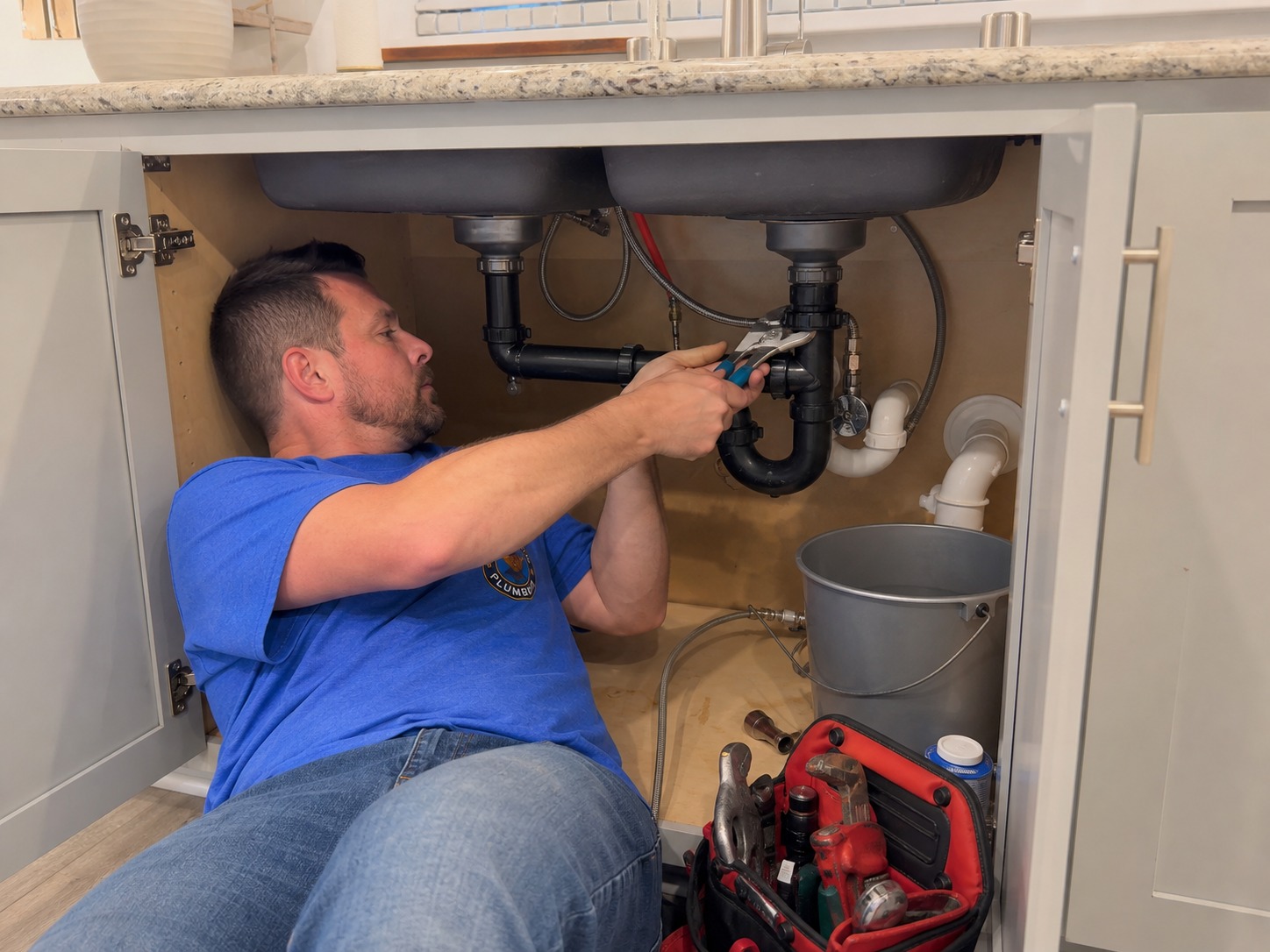
An annual plumbing inspection may help homeowners:
- Detect hidden plumbing leaks early
- Identify dripping faucets and leaking fixtures
- Check exposed pipes and supply lines
- Evaluate water-heater condition
- Identify slow drains and recurring clogs
- Review water pressure concerns
- Look for signs of corrosion or aging components
- Identify visible sewer-line warning signs
- Reduce the risk of unexpected plumbing emergencies
A yearly inspection does not guarantee that a plumbing problem will never occur. It does provide a structured opportunity to identify visible risks and address concerns before they become more disruptive.
What Happens During a Professional Plumbing Inspection?
The scope of a plumbing inspection can vary based on the home, reported symptoms, and the plumber’s recommendations. A thorough visit typically begins with a conversation about the home’s plumbing history.
The plumber may ask:
- Have you noticed any leaks, stains, or moisture?
- Are any drains slow, gurgling, or frequently clogged?
- Has water pressure changed?
- Does the water heater make noise or run out of hot water quickly?
- Have there been sewer backups or sewage odors?
- Are there mature trees near the sewer line?
- Has the home had previous plumbing repairs?
From there, the plumber may inspect accessible areas and fixtures.
Fixtures and Faucets
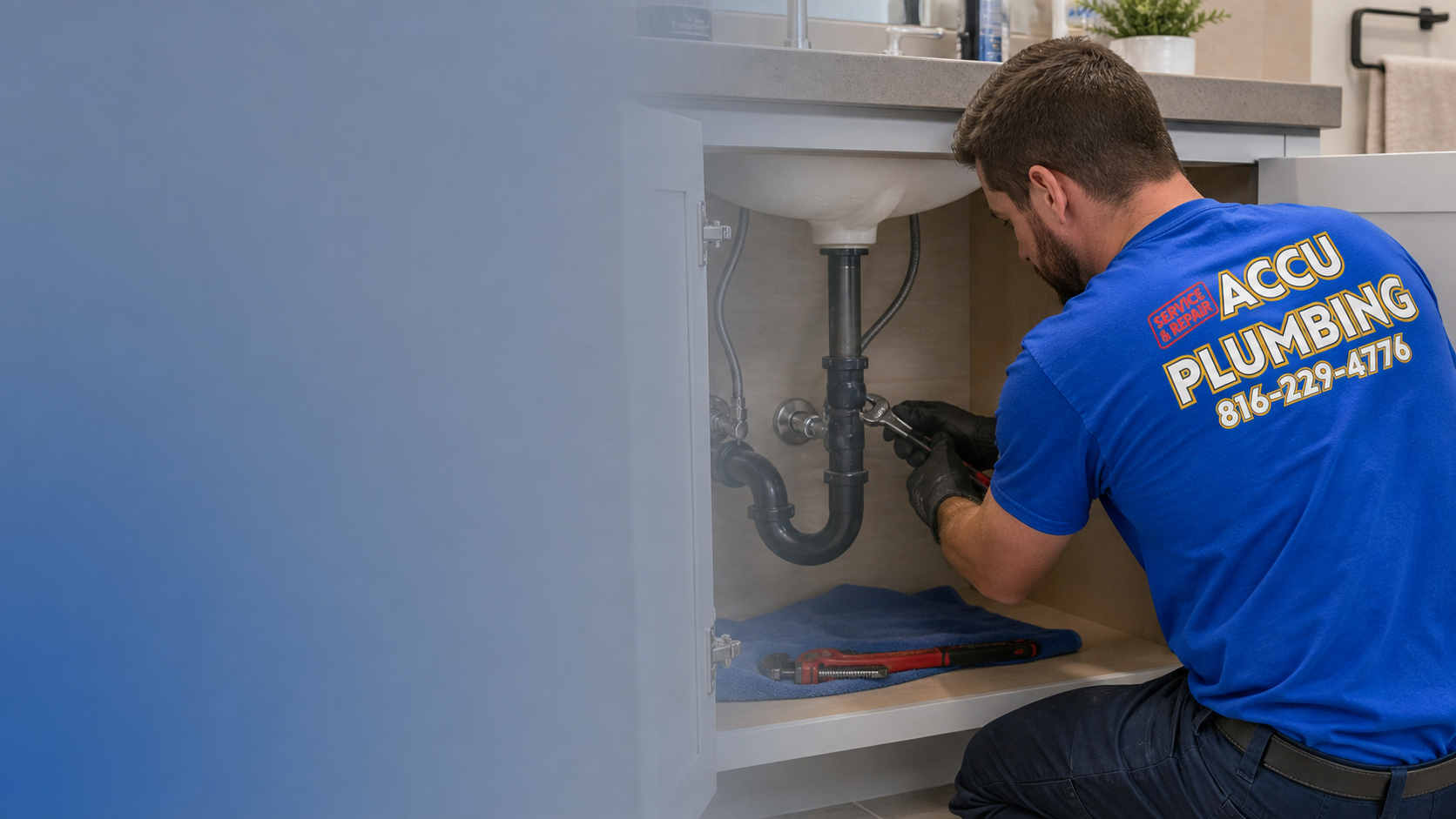
A plumber may check sinks, faucets, toilets, showers, tubs, and visible fixture connections for leaks, corrosion, loose components, and drainage concerns.
Small fixture leaks are often easy to overlook, but they can waste water and damage cabinets or flooring over time.
Exposed Pipes and Supply Lines
Accessible pipes in basements, crawl spaces, utility rooms, under sinks, or near appliances may be checked for moisture, corrosion, wear, and visible damage. Older supply lines, shutoff valves, and pipe connections may need attention before they fail.
Drains and Sewer Warning Signs
The inspection may include checking for slow drainage, recurring clogs, gurgling fixtures, unpleasant odors, and symptoms that suggest a deeper drain or sewer-line restriction.
If several drains are slow or water backs up into another fixture, a plumber may recommend further sewer diagnostics rather than treating each drain separately.
Water Pressure and Water Flow
Low water pressure can be related to fixture buildup, a valve issue, a plumbing leak, pipe deterioration, or a broader water-supply concern. A professional can help determine whether the issue is isolated or affects the home more widely.
Water Heater Condition
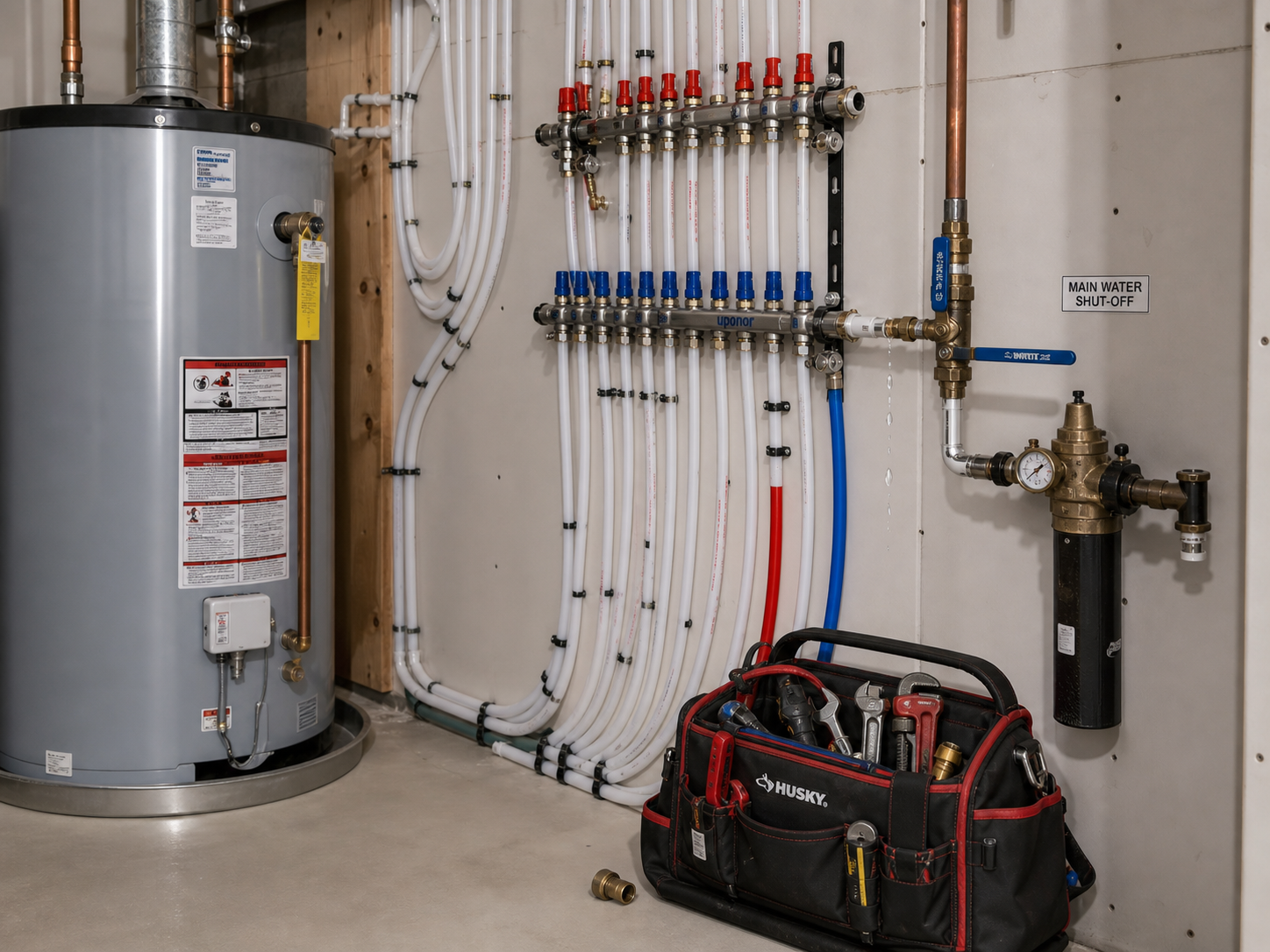
A water heater inspection may include checking for visible leaks, corrosion, unusual noises, damaged fittings, and changes in hot water performance.
This is especially valuable for an aging water heater. A plumber can explain whether a repair, maintenance step, or replacement discussion is appropriate.
Which Homes Need More Frequent Plumbing Inspections?
An annual inspection is a good baseline, but some properties should be monitored more closely.
Older Home Plumbing
Older home plumbing can include aging pipes, older fittings, worn valves, or previous repairs. Pipe materials and installation methods may vary depending on when the home was built and whether plumbing has been updated.
Older homes do not automatically have plumbing problems. However, they may be more likely to develop corrosion, leaks, drainage restrictions, or sewer-line issues as components age.
If you own an older home, annual plumbing service is especially valuable. Your plumber may recommend more frequent monitoring if there are active concerns or signs of deterioration.
Homes With a History of Hidden Leaks
If a home has experienced water damage, slab leaks, pipe leaks, mold concerns, or unexplained increases in water use, it is wise to schedule regular inspections.
Hidden plumbing leaks can be difficult to detect without professional evaluation. Watch for warning signs such as:
- Water stains on ceilings or walls
- Peeling paint or wallpaper
- Musty odors
- Warped flooring
- Damp cabinets
- Mold or mildew
- Unexpectedly high water bills
- A water meter that continues moving when water is not in use
These signs should be investigated promptly rather than waiting for the next annual inspection.
Homes With Mature Trees
Mature trees can be a concern when roots reach damaged or separated sewer pipes. Roots naturally seek moisture and may enter through openings in an underground line.
If a home has had root intrusion, recurring main-line clogs, several slow drains, or sewer backups, a plumber may recommend periodic sewer evaluation. Cleaning can restore flow, but recurring roots may point to a pipe defect that needs repair.
Large or High-Use Households
More people in a home typically means more showers, laundry, dishes, toilet use, and strain on plumbing fixtures and drains.
Large households may benefit from paying close attention to drainage speed, water-heater performance, and fixture leaks between annual visits. If small issues begin appearing repeatedly, an additional inspection can help prevent a larger failure.
Homes With Previous Sewer Backups
A prior sewer backup is a reason to be proactive. Repeated drain clearing may not solve a problem caused by root intrusion, pipe separation, deterioration, or a damaged sewer line.
If you have had a sewer backup, keep records of inspection results, cleaning, repairs, and any video camera findings. This history can help a plumber identify patterns and recommend appropriate maintenance.
When Should You Schedule an Inspection Right Away?
Do not wait for your annual appointment if you notice an active plumbing issue.
Contact a plumber promptly if you have:
- Water around a water heater
- A dripping pipe or active leak
- Water stains, musty odors, or visible mold
- Several slow drains
- Recurring clogs
- Gurgling toilets, sinks, or tubs
- Water backing up into a shower, tub, sink, or floor drain
- Sewage odors
- Sudden low water pressure throughout the home
- Rust-colored water
- A toilet that leaks, rocks, or repeatedly runs
- A significant increase in your water bill
Early service can reduce the chance of water damage, sanitation concerns, and emergency repairs.
What Is the Difference Between a Plumbing Inspection and a Home Inspection?
A general home inspection can identify broad concerns with visible plumbing components, but it is not the same as a dedicated plumbing inspection.
A professional plumbing inspection focuses specifically on the condition and performance of the home’s plumbing system. It may involve a closer evaluation of fixtures, drains, water-heater concerns, water pressure, visible leaks, and sewer warning signs.
For older homes, homes with known plumbing concerns, or homes being purchased, a dedicated plumbing evaluation can provide more detailed information than a general visual home inspection alone.
Can a Plumbing Inspection Find Hidden Leaks?
A plumbing inspection can identify many warning signs of hidden leaks, including moisture, corrosion, stains, pressure changes, unusual water use, and visible pipe concerns.
However, the exact method used to locate a hidden leak depends on the home and the symptoms. If a plumber suspects a concealed leak, additional leak-detection or diagnostic services may be recommended.
The key benefit of regular inspection is that it gives homeowners an opportunity to report small changes before they become major damage.
How to Prepare for a Plumbing Inspection
Most homeowners do not need to do much preparation. Before the appointment, it can be helpful to:
- Make a list of plumbing concerns and when they began
- Note which fixtures drain slowly or leak
- Take photos of intermittent water stains or puddles
- Clear access to water heaters, under-sink cabinets, utility rooms, and visible cleanouts
- Gather records of previous repairs, sewer camera inspections, or water-heater service
- Tell the plumber about changes in water pressure, hot water, or drain performance
This information helps the plumber focus on the areas that need the most attention.
What Can You Do Between Plumbing Inspections?
Preventative maintenance also includes everyday habits. You can help protect your plumbing system by:
- Repairing drips and small leaks promptly
- Keeping grease, oils, and food debris out of kitchen drains
- Using drain screens in showers, tubs, and sinks
- Avoiding flushing wipes, paper towels, and hygiene products
- Checking exposed pipes and supply lines for moisture
- Monitoring water-heater performance
- Paying attention to changes in water pressure
- Knowing the location of the main water shutoff valve
- Responding early to slow drains, odors, and gurgling sounds
These steps do not replace professional service, but they can help homeowners recognize problems before they become urgent.
Frequently Asked Questions About Plumbing Inspections
How often should plumbing be inspected in an older home?
Most older homes should have a professional plumbing inspection at least once a year. More frequent service may be helpful if the home has aging pipes, recurring leaks, sewer issues, or prior water damage.
Is an annual plumbing inspection worth it?
For many homeowners, yes. Annual inspections can identify visible leaks, worn components, drain concerns, and water-heater issues before they become more expensive repairs.
Can a plumbing inspection prevent a sewer backup?
An inspection can identify warning signs such as several slow drains, recurring clogs, gurgling, or sewage odors. If these symptoms are present, a plumber may recommend sewer diagnostics before a backup occurs.
What are signs of a hidden plumbing leak?
Common signs include water stains, peeling paint, musty odors, warped flooring, damp cabinets, unexplained mold, and higher water bills.
Should I schedule a plumbing inspection before buying a home?
Yes. A dedicated plumbing evaluation can be valuable, especially for older homes or properties with visible plumbing concerns, mature trees, or a history of sewer issues.
Schedule a Plumbing Inspection in Blue Springs, Missouri
For most homeowners, an annual plumbing inspection is a practical way to protect the home’s plumbing system and identify issues early. Older home plumbing, previous leaks, recurring drain problems, and sewer concerns may require additional attention.
If you are looking for a plumbing inspection in Blue Springs, Missouri, contact ACCU Plumbing to schedule service. Their team can assess accessible plumbing components, identify warning signs, and recommend practical preventative maintenance for your home.