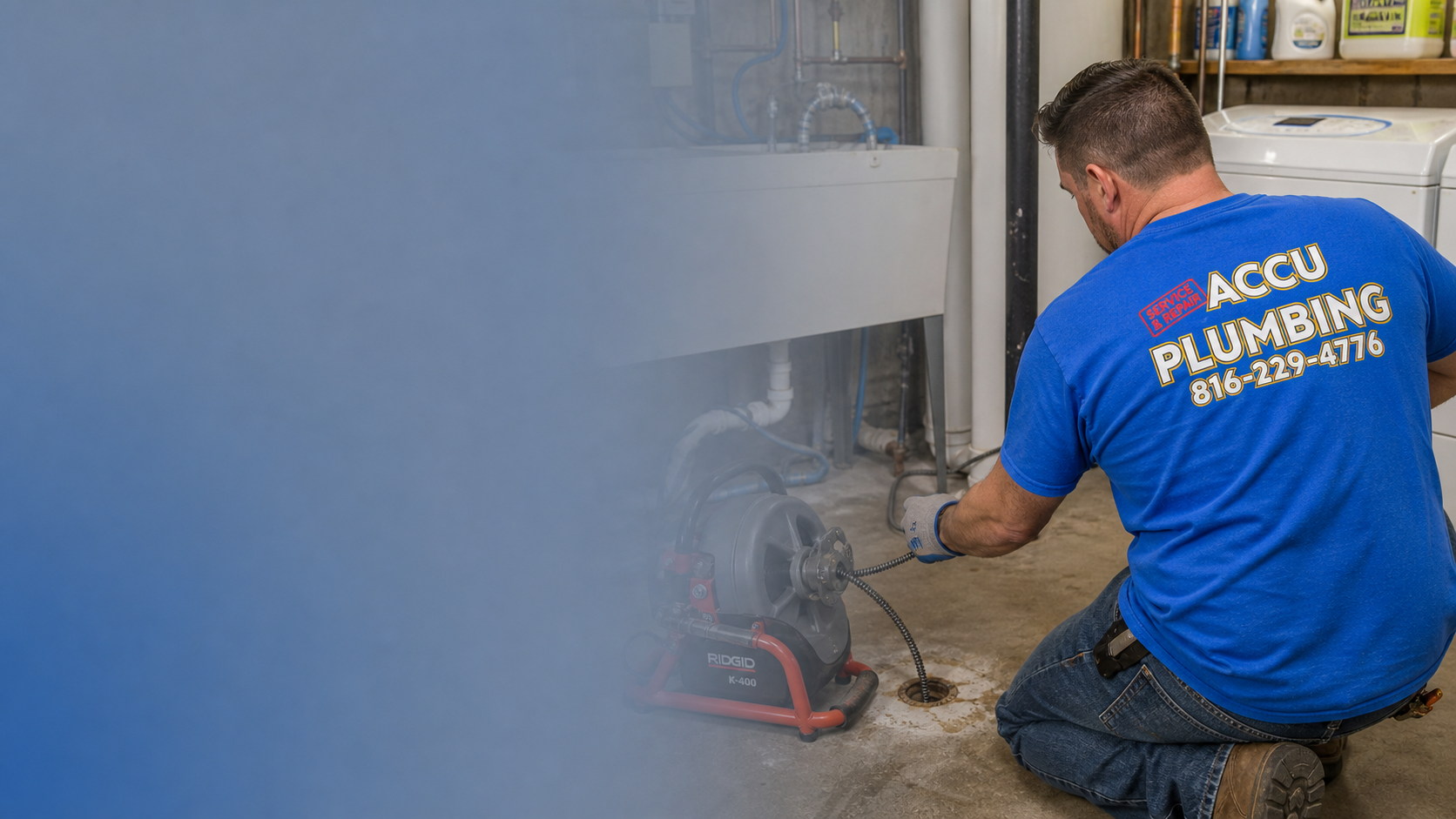
Most Blue Springs homeowners should consider professional drain cleaning every one to two years as part of a preventative plumbing maintenance plan. The right schedule, however, depends on your home’s plumbing system, household size, daily water use, and any history of slow drains or recurring clogs.
Homes with older pipes, large families, frequent kitchen use, mature trees near the sewer line, or past drainage issues may benefit from annual service. If your home has newer plumbing and no warning signs, cleaning may be needed less often.
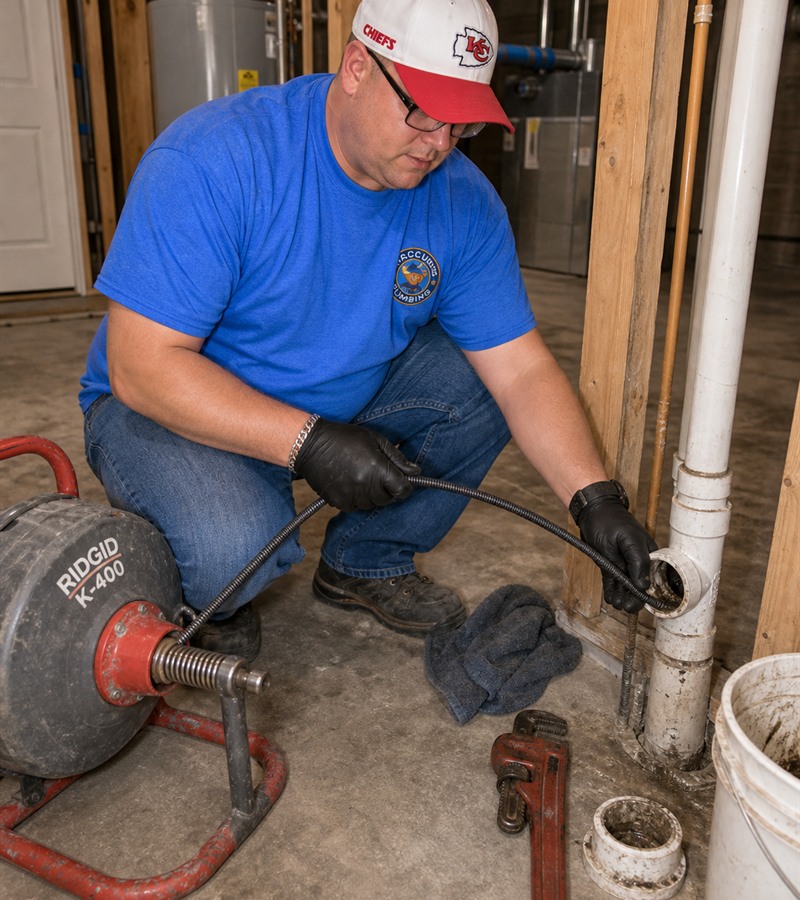
The calendar is only a starting point. Slow drains, recurring clogs, unpleasant odors, gurgling fixtures, and water backing up into sinks, tubs, or floor drains are all signs that it may be time to schedule professional drain cleaning.
Quick Answer: When Should Drains Be Cleaned?
As a general guideline:
- Most homes: every 12 to 24 months
- Older homes or homes with recurring issues: about once a year
- Homes with mature trees near sewer lines: periodic sewer inspection may also be appropriate
- Any home with slow drains, backups, or repeated clogs: schedule service as soon as possible
A professional plumber can assess whether the issue is limited to one fixture, affects a branch drain, or points to a main sewer line problem.
Why Regular Drain Maintenance Matters
Drains can appear to work normally even while buildup is developing inside the pipes. Grease, soap residue, hair, food particles, mineral deposits, and other debris can gradually narrow the passage where wastewater flows.
As buildup increases, you may begin to notice slower drainage. Eventually, the restriction can trap more debris and lead to a complete blockage or backup.
Preventative drain maintenance can help remove developing buildup before it becomes a larger plumbing problem. It may help reduce the risk of:
- Backed-up kitchen sinks
- Standing water in showers or bathtubs
- Clogged laundry drains
- Overflowing floor drains
- Persistent drain odors
- Gurgling fixtures
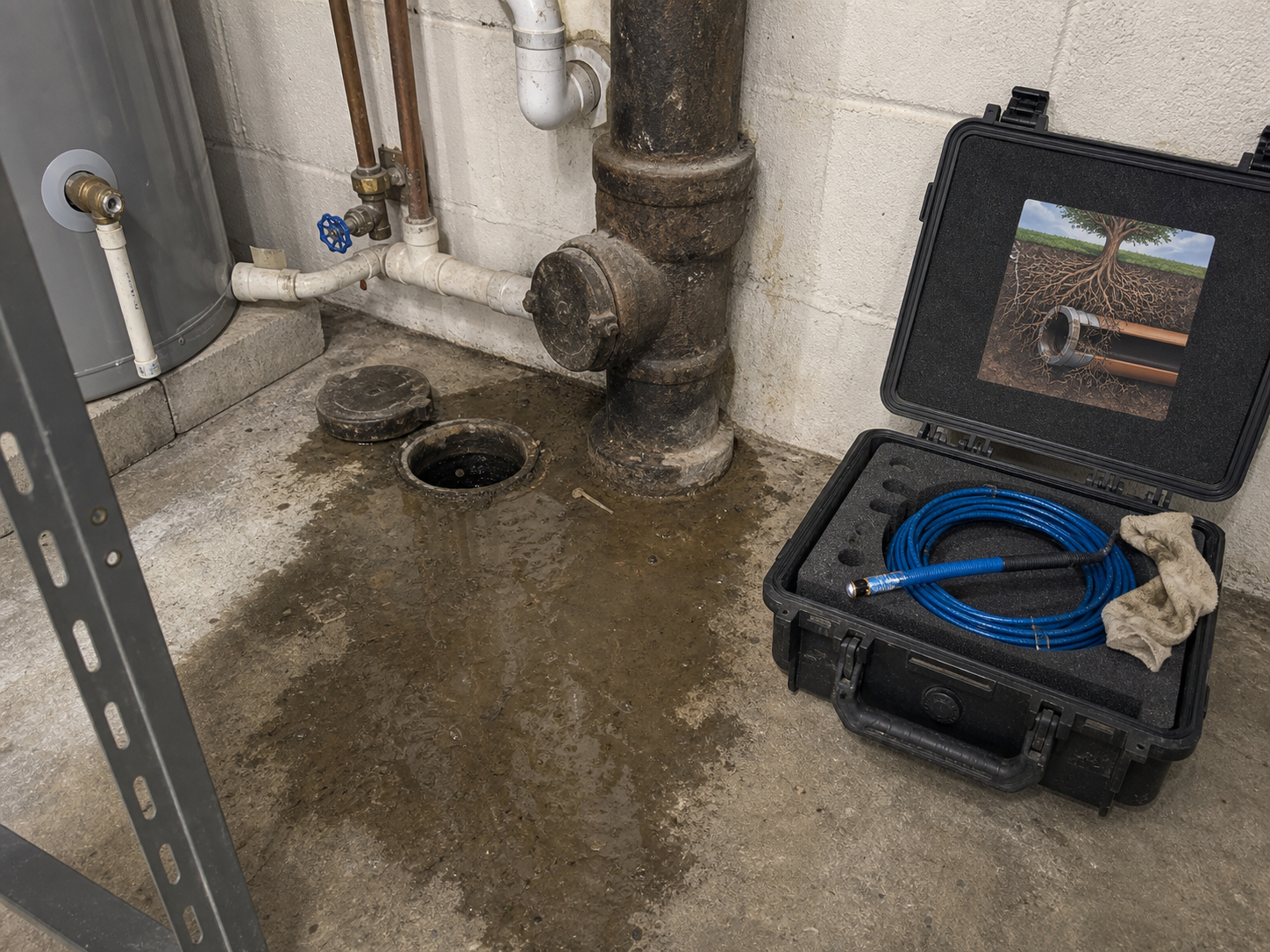
- Main sewer backups
Repeated clogs should not be treated as an ordinary inconvenience. They often indicate that the underlying problem has not been fully addressed.
Signs You Should Schedule Drain Cleaning Now
You do not need to wait for a complete backup before calling a Blue Springs plumber. Drainage systems often provide warning signs first.
Slow Drainage
A sink, shower, or bathtub that takes longer than usual to empty may have buildup inside the drain. One slow fixture can point to a localized clog, while several slow fixtures may indicate a larger issue.
Recurring Clogs
If a drain clogs again shortly after being plunged or treated with a household product, the blockage may not have been fully removed. There may also be a deeper obstruction or pipe issue.
Gurgling Sounds
Gurgling from a toilet, sink, or tub can occur when air is struggling to move through a restricted drainage system. This is especially important to investigate if it happens while another fixture is in use.
Unpleasant Odors
Persistent drain odors may be caused by trapped organic material, buildup, a dry drain trap, or another plumbing concern. If cleaning the drain does not resolve the odor, professional diagnosis is recommended.
Water Backing Up
Water that appears in a tub, shower, sink, or floor drain when another fixture is used can indicate a shared drain or main line blockage. Prompt service can help prevent a more serious sewage backup.
Multiple Fixtures Draining Slowly
When several drains become slow at once, the restriction may be deeper in the plumbing system. A professional inspection can help determine whether the issue is in a branch drain or the main sewer line.
Which Homes May Need More Frequent Drain Cleaning?
Some homes are more likely than others to develop drainage problems.
Older Homes
Older plumbing materials may have corrosion, rough interior surfaces, deterioration, offsets, or previous repairs that allow debris to collect more easily. An older home does not automatically require frequent drain cleaning, but its plumbing history should be considered.
Large or Busy Households
More people in a home generally means more showers, laundry, dishes, toilet use, soap, hair, and food waste entering the drainage system. Larger households may benefit from annual drain maintenance.
Homes With Mature Trees
Tree roots naturally grow toward moisture. If a sewer pipe has a crack, loose connection, separated joint, or other opening, roots can enter the line and restrict wastewater flow.
Clearing roots may restore flow temporarily, but recurring root intrusion can indicate a damaged sewer line that needs further inspection or repair.
Homes With Frequent Kitchen Clogs
Kitchen drains are especially vulnerable to grease, oil, food residue, and soap buildup. Grease may enter the sink as a warm liquid, but it can cool and collect along the inside of the pipe.
Households that cook frequently should watch for changes in drainage speed and avoid putting grease, fibrous foods, or large quantities of food waste down the drain.
Properties With a History of Sewer Backups
A previous sewer backup is a reason to pay close attention to future drainage changes. Cleaning may be part of the solution, but recurring main line problems can also result from roots, pipe separation, collapsed sections, or other structural defects.
Is DIY Drain Cleaning Enough?
Minor clogs near a drain opening can sometimes be addressed with a plunger or by carefully removing visible hair and debris. However, repeated temporary fixes can hide a more serious problem.
Chemical drain cleaners should be used cautiously. They may not remove the entire obstruction, can create safety concerns for anyone servicing the line later, and may not be suitable for every plumbing system.
Professional drain cleaning provides more than temporary relief. A plumber can identify where the blockage is located, determine whether multiple fixtures are involved, and recommend further inspection if there are signs of a sewer line concern.
The goal should be to address the cause of the problem, not simply create a small opening through the blockage.
What Happens During Professional Drain Cleaning?
The service process depends on the location and severity of the restriction. A professional drain-cleaning visit may include:
- Discussing the symptoms and history of the issue
- Checking affected fixtures
- Determining whether the problem is isolated or system-wide
- Diagnosing the likely location of the blockage
- Using professional equipment to clear the drain
- Testing the fixture and drainage system afterward
- Recommending a sewer inspection when symptoms point to a larger concern
- Explaining practical steps to help reduce future clogs
ACCU Plumbing provides residential drain cleaning, drain unclogging, diagnostics, main line clearing, professional augering, sewer camera inspections, and preventative maintenance for homeowners in Blue Springs and the Greater Kansas City area.
How Can You Reduce the Risk of Clogged Drains?
Professional cleaning is valuable, but everyday habits also affect how well your drains perform.
Keep Grease Out of Kitchen Drains
Allow grease and cooking oil to cool, place it in a suitable container, and dispose of it properly. Wiping greasy cookware before washing can also reduce residue entering the drain.
Use Drain Screens
Drain screens can catch hair, food particles, and other debris before they enter bathroom and kitchen drains. Clean them regularly so water can continue flowing freely.
Use the Garbage Disposal Carefully
A garbage disposal is not designed for every type of food waste. Avoid putting grease, bones, fibrous foods, hard materials, or large quantities of scraps into the disposal.
Do Not Flush Inappropriate Items
Toilets are designed for human waste and toilet paper. Wipes, paper towels, hygiene products, cotton swabs, and similar materials can contribute to significant clogs, even when products are labeled as flushable.
Respond to Slow Drains Early
A slow drain is usually easier and less disruptive to investigate than a complete backup. Scheduling service early may help prevent water damage, sanitation concerns, and emergency repairs.
When Drain Cleaning May Not Be Enough
Drain cleaning removes buildup and blockages, but it cannot repair a broken, separated, or collapsed sewer pipe.
A sewer inspection may be appropriate if you notice:
- Several slow drains throughout the home
- Frequent main line backups
- Sewage odors
- Gurgling fixtures
- Standing water in the yard
- Unusually green patches of grass
- Repeated clogs after professional cleaning
- Drainage problems affecting multiple fixtures
These symptoms may be connected to root intrusion, pipe separation, corrosion, offset joints, collapsed pipe sections, or other underground sewer damage.
Professional diagnostics can determine whether cleaning, repair, partial replacement, full replacement, or another solution is appropriate.
Why Local Plumbing Experience Matters in Blue Springs
A local plumber should understand the homes, plumbing systems, seasonal conditions, and sewer concerns common throughout Blue Springs and the Greater Kansas City area.
ACCU Plumbing is locally owned and has served the Blue Springs area since 1982. Its residential services include drain cleaning, plumbing repair, sewer services, water heater service, fixture installation, and preventative maintenance.
Frequently Asked Questions About Drain Cleaning
Can I wait until a drain is completely clogged?
Waiting can increase the risk of backups, water damage, unpleasant odors, and a more disruptive repair. Slow drainage and recurring clogs are good reasons to schedule service before the drain stops working entirely.
Should every drain be cleaned annually?
Not necessarily. Some homes benefit from annual service, while others may only need professional cleaning every two years or when warning signs appear. The appropriate schedule depends on use, pipe condition, household size, and past plumbing problems.
Why does the same drain keep clogging?
A recurring clog may result from buildup that was not fully removed, inappropriate materials entering the drain, poor drainage, a damaged pipe, or a deeper obstruction. Repeated clogs should be professionally diagnosed.
Can drain cleaning prevent sewer problems?
Drain cleaning can remove buildup and improve flow, but it cannot correct structural sewer damage. If roots, cracks, pipe separation, or collapse are suspected, a sewer inspection may be necessary.
When should I call an emergency plumber?
Contact an emergency plumber when wastewater is backing up into the home, multiple fixtures stop draining, a floor drain overflows, sewage is present, or the issue threatens property damage or household safety.
Schedule Drain Cleaning in Blue Springs, Missouri
For many homes, professional drain cleaning every one to two years is a practical preventative starting point. Homes with older pipes, large families, recurring clogs, mature trees, or a history of sewer problems may need annual service or a customized maintenance schedule.
Do not rely only on the calendar. Slow drains, unpleasant odors, gurgling fixtures, recurring clogs, and water backups are signs that your plumbing system needs attention.
For professional drain cleaning in Blue Springs, Missouri, contact ACCU Plumbing to schedule an inspection and receive a recommendation based on your home’s drainage system.
Frequently Asked Questions About Drain Cleaning
How often should household drains be professionally cleaned?
Most homeowners should consider professional drain cleaning every 12 to 24 months. Older homes, larger households, homes with recurring clogs and properties with mature trees may benefit from annual service or a customized drain maintenance schedule.
Should every drain be cleaned once a year?
Not every home requires annual drain cleaning. The recommended schedule depends on the age and condition of the plumbing, household size, water usage, previous clogs and whether the property has experienced sewer line problems.
What are the signs that a home needs professional drain cleaning?
Common warning signs include slow drainage, recurring clogs, unpleasant drain odors, gurgling fixtures, standing water and water backing up into sinks, tubs, showers or floor drains. ACCU Plumbing’s FAQ guidance also identifies slow drains, recurring clogs, odors and water backups as common reasons to schedule professional drain cleaning.
Why does the same drain keep clogging?
A recurring clog may be caused by buildup that was not completely removed, improper materials entering the drain, a damaged pipe, tree root intrusion or a deeper obstruction in a branch drain or main sewer line.
Can routine drain cleaning prevent sewer backups?
Routine drain cleaning can remove developing buildup and reduce the risk of some backups. It cannot repair a cracked, separated, offset or collapsed sewer pipe, so recurring whole-home drainage problems may require a sewer camera inspection.
When is drain cleaning not enough?
Drain cleaning may not solve the problem when a pipe is broken, collapsed, separated, severely corroded or affected by tree root intrusion. A professional inspection can determine whether sewer line repair or replacement is necessary.
Can I use chemical drain cleaner instead of calling a plumber?
Chemical drain products may provide temporary relief but often do not remove the complete obstruction. Repeated use may expose plumbing components to harsh chemicals and can create safety concerns for anyone who later services the drain.
When should I call an emergency plumber for a clogged drain?
Contact an emergency plumber when wastewater is backing up into the home, several fixtures stop draining, a floor drain overflows, sewage is present or the problem creates an immediate risk of water damage or unsanitary conditions.