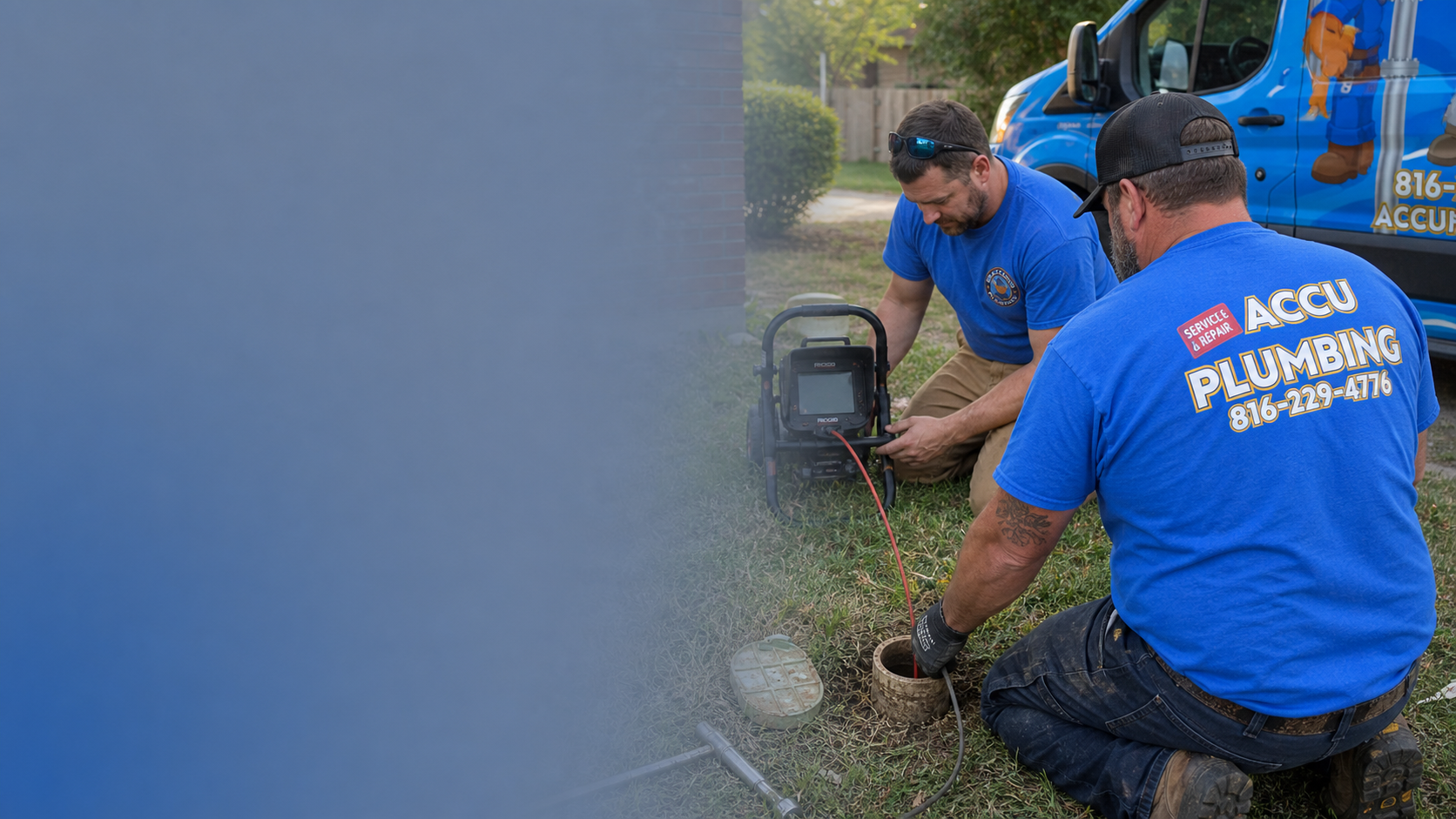
A sewer camera inspection is a diagnostic service that allows a plumber to view the inside of a residential sewer line without excavating the yard or opening walls. For homeowners searching for a sewer inspection in Blue Springs, this process can help identify the cause of recurring clogs, slow drains, sewage backups, root intrusion, pipe damage, and other drainage problems.
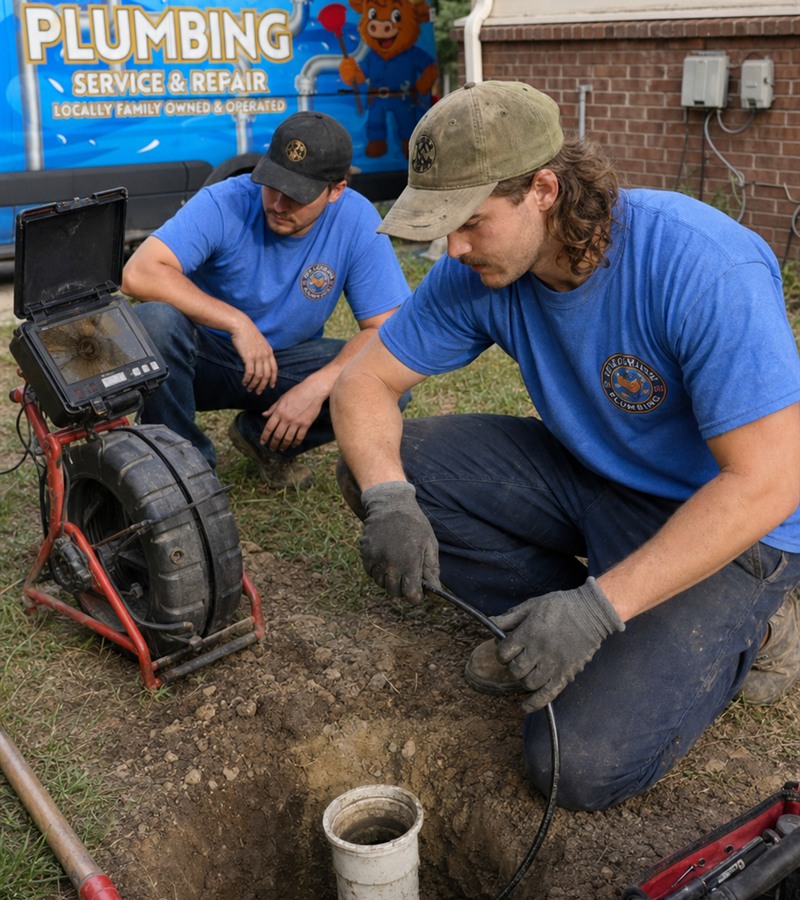
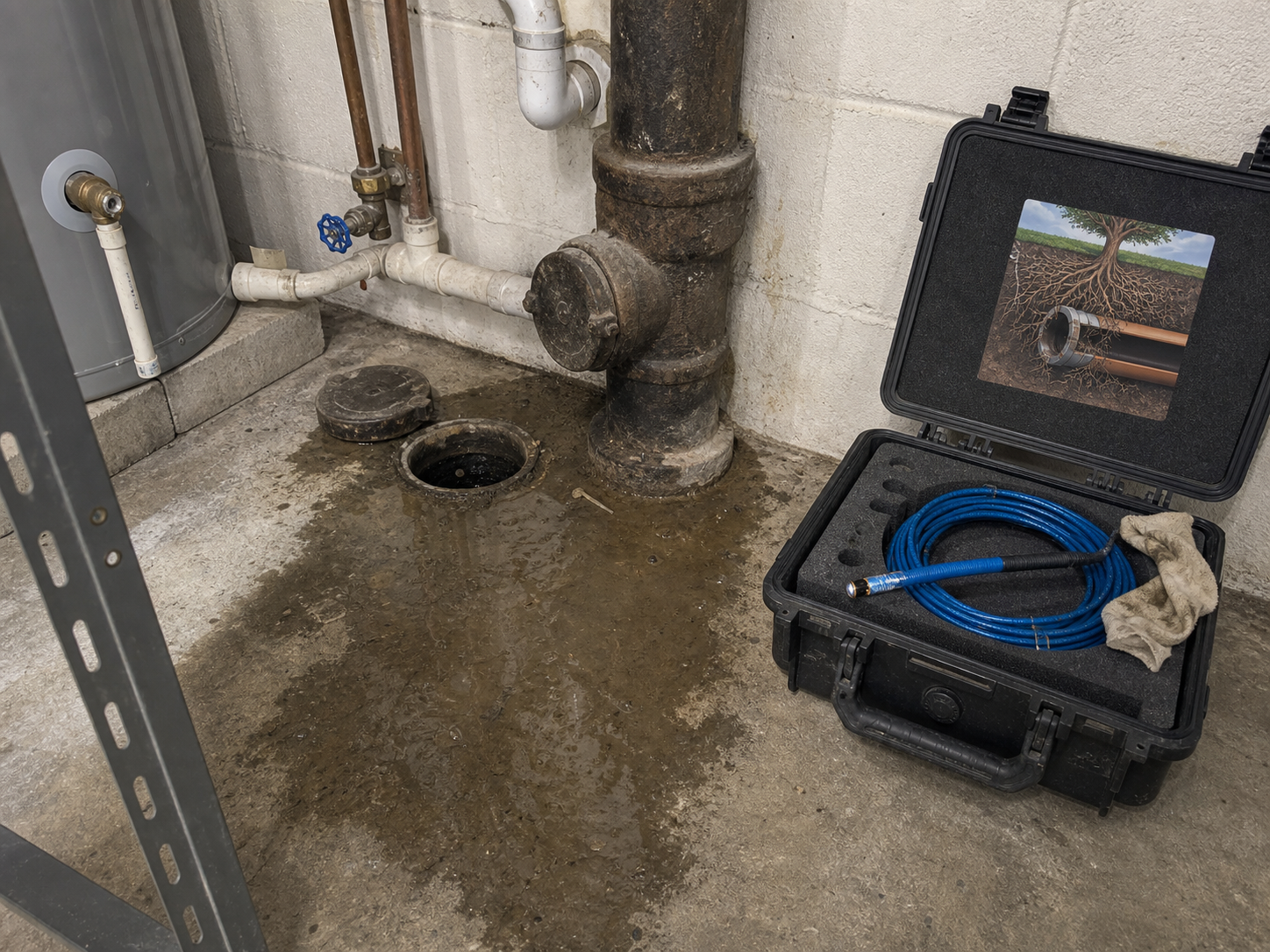
During a video sewer inspection, a technician inserts a flexible cable with a waterproof camera into an accessible drain or sewer cleanout. The camera sends live video to a monitor, allowing the technician to inspect the condition of the line, locate visible obstructions, and recommend the appropriate next step.
Quick Answer: What Does a Sewer Camera Inspection Include?
A typical sewer camera service includes:
- Discussing your drain or sewer symptoms
- Accessing the residential sewer line through a cleanout or suitable entry point
- Feeding a specialized camera through the pipe
- Viewing live video footage of the sewer line
- Looking for roots, buildup, cracks, separations, bellies, or blockages
- Locating the problem area when possible
- Explaining the findings and recommending next steps
A camera inspection does not automatically mean sewer repair is needed. In many cases, it helps confirm whether professional cleaning can restore flow or whether the pipe has a structural issue that requires a different solution.
Why Homeowners Schedule Sewer Diagnostics in Blue Springs
Drain problems are not always caused by a simple clog near a sink, toilet, or shower. When several fixtures drain slowly, backups return after cleaning, or wastewater appears in another fixture, the problem may be deeper in the plumbing system.
A sewer camera inspection helps answer important questions before repairs are recommended:
- Is the issue in one fixture drain or the main sewer line?
- Is there grease, debris, or a foreign object blocking the pipe?
- Are tree roots growing into the line?
- Is the pipe cracked, separated, shifted, or collapsed?
- Is there standing water inside the line due to poor slope or a low section?
- Can the line be cleaned, or does it need repair or replacement?
For Blue Springs homeowners, this is especially useful when a property has mature trees, older plumbing, a history of sewer backups, or repeated drainage issues. The City of Blue Springs notes that private service-line issues between the home and the public sewer main are generally the property owner’s responsibility, which makes accurate diagnosis especially important. City of Blue Springs Sewer Utility
1. The Plumber Reviews Your Symptoms and Plumbing History
The inspection begins with a conversation about what you have noticed in the home. This step helps the technician determine where to start and whether the symptoms suggest a localized clog or a larger sewer problem.
You may be asked questions such as:
- Which drains are slow or backing up?
- When did the problem begin?
- Does the issue return after plunging or drain cleaning?
- Does flushing a toilet affect a tub, shower, or sink?
- Have there been sewage odors, gurgling sounds, or floor-drain backups?
- Has the home had previous sewer repairs or root problems?
- Are there large or mature trees near the sewer line?
This information matters because the same symptom can have different causes. One slow bathroom sink may have hair and soap buildup close to the drain opening. A toilet that causes water to rise in a nearby tub may point to a shared branch drain or the main residential sewer line.
A thorough discussion also helps prevent unnecessary work. The goal of sewer diagnostics in Blue Springs is to identify the likely cause before recommending cleaning, repair, or replacement.
2. The Technician Accesses the Sewer Line
Next, the technician finds the best access point for the camera. In many homes, the preferred entry point is a sewer cleanout. A cleanout is a capped pipe that provides direct access to the drain or sewer system.
Depending on the home’s plumbing layout and the location of the issue, the camera may be inserted through:
- An exterior sewer cleanout
- A basement or utility-room cleanout
- A drain opening
- A roof vent, when appropriate
- Another accessible point in the drainage system
Using a cleanout is typically the most efficient option because it provides direct access to the line without removing fixtures. If an access point is not immediately available, the plumber can explain the available options before proceeding.
The technician will also take precautions to keep the work area clean and protect nearby surfaces. Sewer camera service is diagnostic work, but it should still be handled carefully because the equipment is entering the home’s wastewater system.
3. A Waterproof Camera Is Fed Through the Pipe
Once access is established, the technician inserts a flexible cable with a high-resolution, waterproof camera on the end. The cable is designed to travel through bends and turns in the sewer line.
As the camera moves through the pipe, it sends live video to a monitor. The technician can observe the interior condition of the line in real time.
This is what makes a video sewer inspection valuable. Instead of relying only on symptoms, guesswork, or repeated temporary drain clearing, the plumber can see what is inside the line.
The camera may reveal:
- Grease, soap, or sludge buildup
- Hair and debris
- Foreign objects
- Root intrusion
- Cracks or broken pipe sections
- Separated or offset joints
- Corrosion or deterioration
- A sagging section that holds water
- A collapsed or severely damaged pipe
Not every line will show a major defect. Sometimes the inspection confirms that the pipe is structurally sound and the main issue is buildup that can be removed through professional drain cleaning.
4. The Sewer Line Is Evaluated From Inside
During the inspection, the technician evaluates the condition of the pipe and the location of any visible obstruction. The camera footage may show whether wastewater is flowing normally, slowing near a restriction, or collecting in a low area.
This part of the process is important because different sewer problems require different solutions.
For example, heavy grease buildup may respond well to professional cleaning. A foreign object may need to be removed. Root growth may need mechanical clearing, followed by a discussion about the condition of the pipe. A cracked or collapsed section may require repair rather than repeated drain cleaning.
A camera inspection can also help distinguish between a simple blockage and a structural concern. That distinction can save homeowners from paying for the wrong service or repeatedly treating a problem that keeps coming back.
5. The Technician Checks for Root Intrusion and Pipe Damage
A root intrusion inspection is one of the most common reasons homeowners request sewer camera service.
Tree roots naturally seek moisture. If a sewer pipe has a crack, loose joint, separated connection, or other opening, roots can enter the line and grow inside it. Once inside, they can trap toilet paper, debris, and other material moving through the pipe.
Signs of root intrusion can include:
- Recurring main-line clogs
- Slow drains throughout the house
- Toilets that gurgle or bubble
- Water backing up into tubs or showers
- Sewage odors
- Repeated sewer problems after drain clearing
The camera allows the technician to see whether roots are present and how extensive the intrusion appears to be. It can also reveal pipe defects that may have allowed roots to enter.
Root removal may restore drainage, but clearing roots does not automatically repair a damaged pipe. If the video shows cracks, separations, offsets, or severe deterioration, the plumber can explain whether repair, replacement, or continued monitoring is appropriate.
6. The Problem Area May Be Located Above Ground
When the camera identifies a blockage or damaged section, the technician may use a locating device to help identify its approximate position and depth from above ground.
This step can be useful when planning repairs because it helps reduce unnecessary excavation. Rather than digging across a large area to search for the damaged pipe, the plumber can narrow the repair location.
Locating may help identify whether the issue is:
- Near the home
- Under a driveway, patio, or landscaping area
- Farther out in the yard
- Close to the connection with the public sewer system
The exact location and depth can vary based on the property, pipe material, accessibility, soil conditions, and the equipment used. Your plumber should explain what the inspection can confirm and what additional evaluation may be needed before any major repair begins.
7. You Receive Clear Findings and Next-Step Recommendations
After the camera inspection, the technician should review the results in plain language. This is the most important part of the visit because the homeowner needs to understand what was found and why a particular recommendation is being made.
Depending on the findings, the next step may be:
- Professional drain or sewer-line cleaning
- Mechanical root removal
- A follow-up inspection after cleaning
- Spot repair of a damaged section
- Partial sewer-line replacement
- Full sewer-line replacement
- Trenchless sewer repair, when appropriate
- Monitoring a minor issue before taking further action
A quality sewer inspection should not pressure you into a repair that the video findings do not support. The purpose of the inspection is to provide evidence, explain your options, and help you make an informed decision about your residential sewer line.
Does a Sewer Camera Inspection Require Digging?
In most cases, no. A sewer camera inspection is designed to inspect the inside of the pipe through an existing access point. This makes it far less invasive than excavating a yard simply to determine what is wrong.
Digging may only be discussed if the inspection identifies a pipe section that needs repair or replacement. Even then, locating equipment and video footage can help focus the work on the affected area.
How Should You Prepare for a Sewer Camera Service?
Most homeowners do not need to do much preparation. Before the appointment, it is helpful to:
- Make sure the technician can access the cleanout, basement, utility room, or affected fixtures
- Move stored items away from visible cleanouts if possible
- Note which fixtures are slow, clogged, gurgling, or backing up
- Avoid using large amounts of water immediately before the appointment unless the plumber gives different instructions
- Tell the technician about previous sewer repairs, root removal, or backup events
If sewage is actively backing up into the home, avoid using toilets, showers, sinks, dishwashers, and washing machines until the issue has been assessed.
Frequently Asked Questions About Sewer Camera Inspections
How long does a sewer camera inspection take?
The time depends on the length of the line, access conditions, and the severity of the issue. A straightforward inspection may be relatively quick, while a blocked, damaged, or difficult-to-access line can take longer.
Can a sewer camera find tree roots?
Yes. A root intrusion inspection can reveal roots growing through pipe joints, cracks, or other openings. The footage can also help show whether the pipe appears damaged.
Will a camera inspection clear the clog?
No. The camera is used to inspect and diagnose the line. If a blockage is present, the plumber may recommend cleaning or clearing equipment based on what the inspection reveals.
Is a sewer camera inspection worth it for recurring clogs?
Yes. If clogs return after plunging, snaking, or prior drain cleaning, a camera inspection can help determine whether buildup, roots, damaged piping, or another issue is causing the repeated problem.
When is a sewer camera inspection an emergency?
Call promptly when sewage is backing up into the home, multiple fixtures stop draining, a floor drain overflows, or wastewater is creating an immediate sanitation or property-damage risk.
Schedule a Sewer Inspection in Blue Springs
A sewer camera inspection gives homeowners a clearer picture of what is happening inside a drain or sewer line. Instead of guessing whether the problem is a simple clog, root intrusion, or damaged pipe, you can make decisions based on visible evidence.
If you are dealing with recurring clogs, slow drains throughout the home, gurgling fixtures, sewage odors, or backups, contact ACCU Plumbing for a sewer inspection in Blue Springs. Their team can perform video sewer inspection and sewer diagnostics, explain the findings, and recommend the appropriate next step for your home.