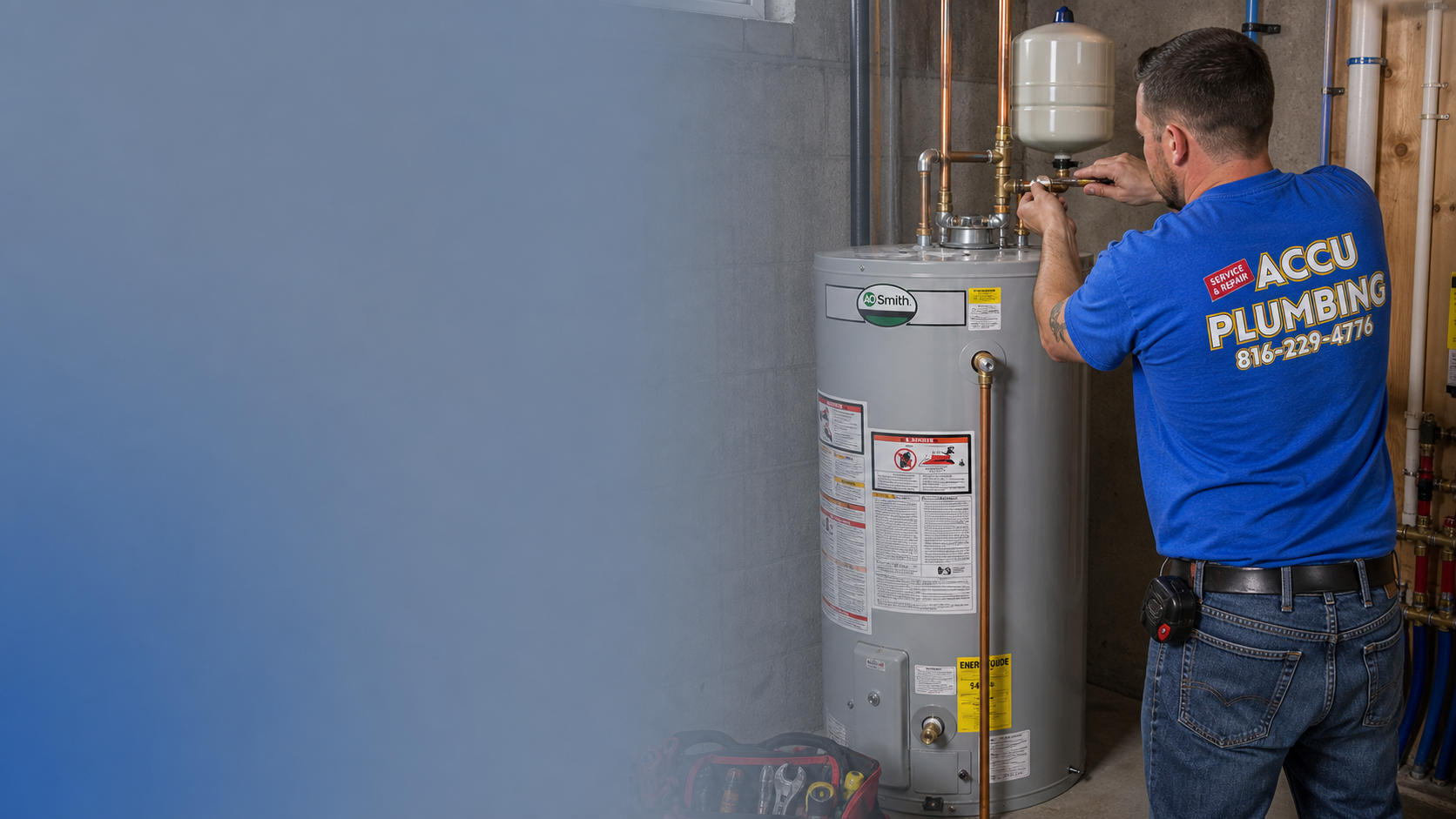
When your water heater starts leaking, making unusual noises, producing rusty water, or failing to provide enough hot water, it can be difficult to know whether repair is worthwhile or replacement makes more sense.
For homeowners searching for water heater repair in Blue Springs, the right choice depends on the unit’s age, condition, repair history, type of problem, and whether the repair is likely to provide dependable performance.
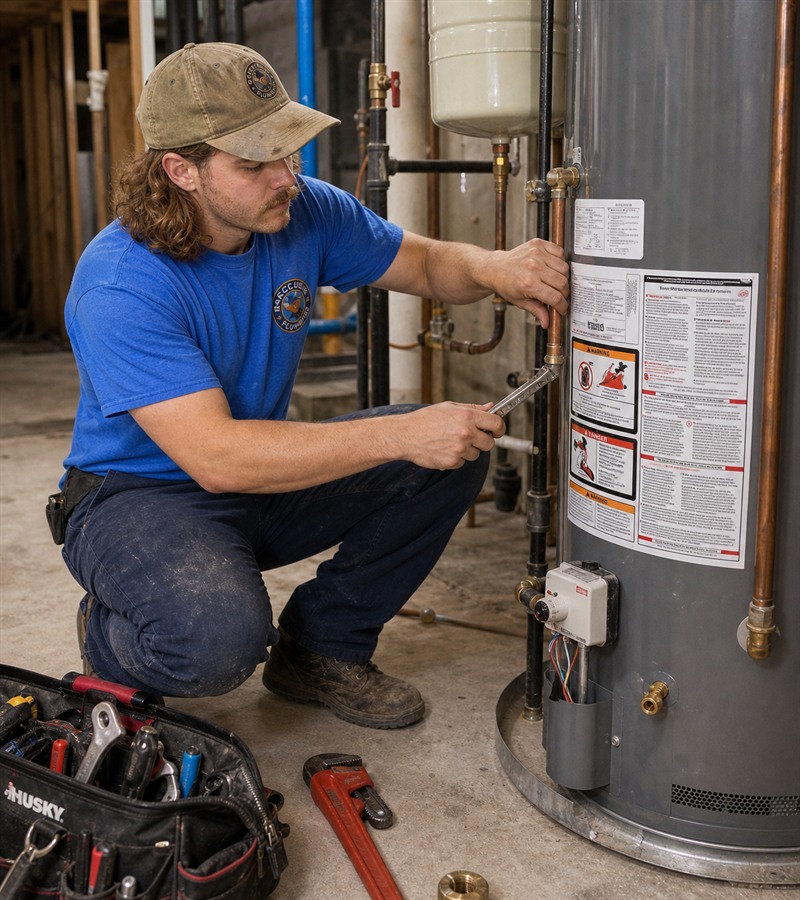
A minor issue, such as a faulty valve, worn heating component, or thermostat problem, may be repairable. An aging water heater with a leaking tank, recurring failures, or poor performance may be better replaced before it causes water damage or leaves your household without hot water.
The best decision starts with professional diagnosis. A plumber can identify the cause of the problem, explain your options, and recommend a practical solution based on the condition of your water heater.
Quick Answer: Should You Repair or Replace Your Water Heater?
Water heater repair may be the right option when:
- The unit is relatively new
- The issue is isolated and repairable
- The tank is not leaking
- The repair cost is reasonable compared with replacement
- The water heater has otherwise performed reliably
- There are no signs of significant corrosion or deterioration
Water heater replacement may make more sense when:
- The unit is approaching or beyond its expected service life
- The storage tank is leaking
- Repairs are becoming frequent
- Hot water problems keep returning
- The unit is inefficient or no longer meets household needs
- Corrosion, rust, or serious internal deterioration is present
A plumber should evaluate the actual issue before recommending either option. The goal is to avoid paying for a short-term repair when replacement would be the more dependable long-term choice.
Why the Right Diagnosis Matters
Not every hot water problem means the entire unit has failed. Some issues are caused by replaceable components or settings that can be repaired without installing a new water heater.
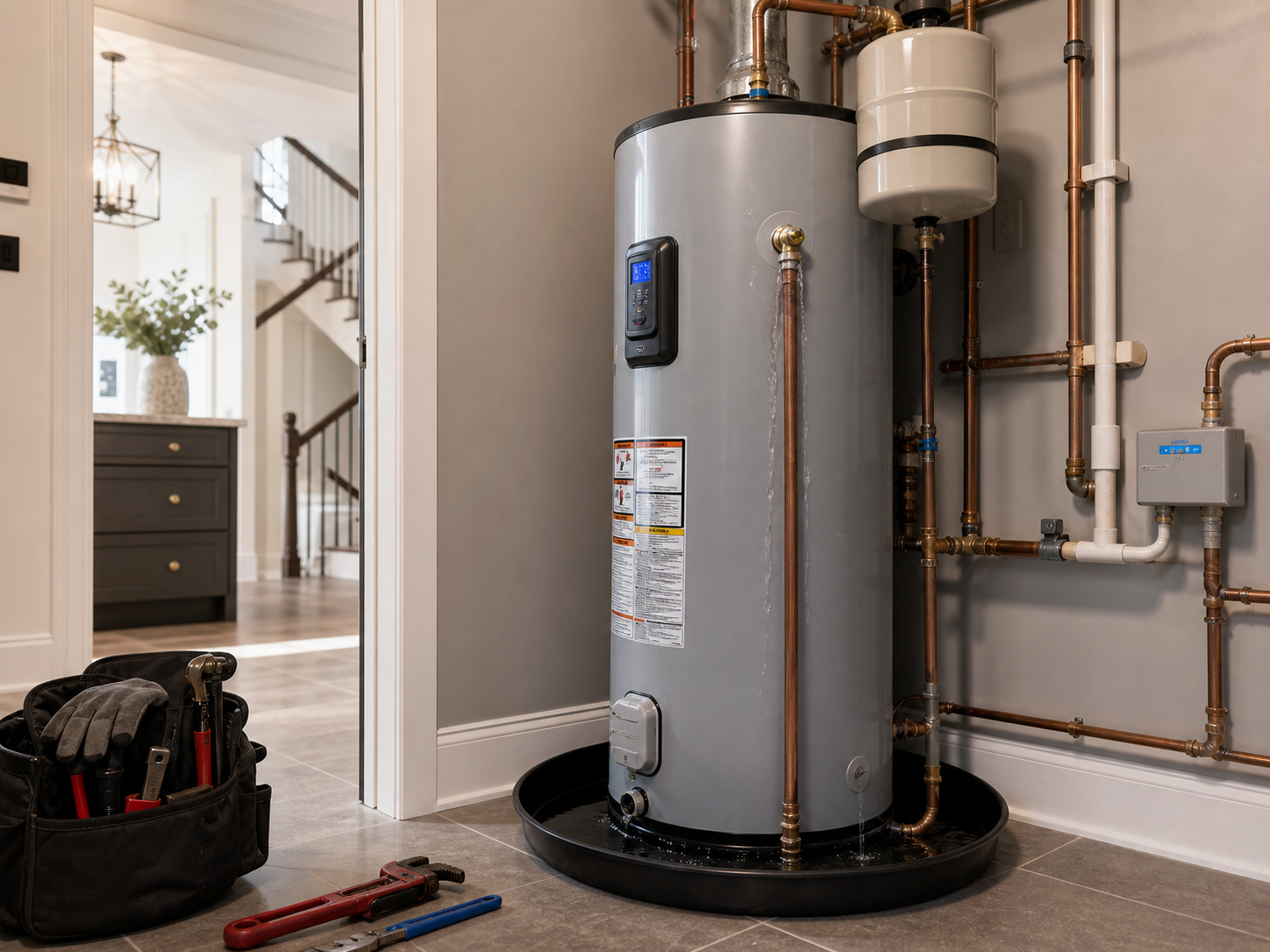
For example, a lack of hot water may be related to a heating element, thermostat, pilot or ignition issue, gas control problem, electrical connection, or sediment buildup. A leak may come from a valve or fitting rather than the tank itself.
However, a leaking tank, widespread corrosion, or repeated system failures can indicate that the water heater is nearing the end of its useful life.
Professional water heater service helps determine:
- Whether the issue is repairable
- Whether the tank itself is compromised
- Whether a safety-related component needs attention
- Whether the unit is appropriately sized for the home
- Whether repairs are likely to provide reliable performance
- Whether water heater replacement in Blue Springs is the better value
A clear diagnosis helps homeowners make decisions based on the condition of the equipment rather than guessing from one symptom alone.
When Water Heater Repair May Make More Sense
Repair is often a good option when the water heater is still in generally sound condition and the problem is limited to a replaceable part or a correctable issue.
The Water Heater Is Relatively New
A newer unit with no major corrosion, tank damage, or history of repeated failures is often worth repairing. If the water heater has been reliable and a technician identifies a specific issue, a targeted repair may restore normal performance.
The unit’s age is important, but it should not be the only factor. A well-maintained water heater may remain a good candidate for repair, while a younger unit with tank damage may require replacement.
The Problem Is a Replaceable Component
Many water-heater issues involve parts that may be serviced or replaced. Depending on the unit type and diagnosis, repairable concerns may include:
- A faulty thermostat
- A worn heating element in an electric unit
- A pressure-relief valve issue
- A drain valve problem
- Ignition or pilot concerns
- A malfunctioning gas control component
- Loose electrical connections
- Minor plumbing connections near the unit
A qualified plumber can determine whether the part is repairable and whether the rest of the water heater is in good condition.
The Leak Is From a Fitting or Valve
A leaking water heater should always be inspected promptly, but not every leak means the tank must be replaced.
Water may come from a nearby pipe connection, temperature-and-pressure relief valve, drain valve, or another external component. In some cases, the source can be repaired.
A leak from the tank itself is different. If water is coming through the body of the tank, corrosion or internal failure may be present. Tank leaks are generally not a dependable repair situation and often require replacement.
The Unit Has Not Needed Frequent Repairs
One isolated repair is different from repeated service calls. If the water heater has performed reliably and the current issue is straightforward, repair may be a practical choice.
If you have needed multiple repairs in a short period, it is worth discussing whether continued repairs are adding value or simply delaying replacement.
When Should I Replace My Water Heater?
Homeowners often ask, “When should I replace my water heater?” Replacement may be the better choice when the unit has a major failure, has become unreliable, or is likely to need additional repairs soon.
Your Water Heater Is Aging
An aging water heater may become less reliable over time. The expected lifespan depends on the model, water quality, maintenance history, installation quality, and daily household use.
Rather than relying on age alone, consider how the unit is performing. An older water heater with recurring hot water problems, corrosion, unusual noise, or declining efficiency deserves professional evaluation.
The manufacture date is usually listed on the unit’s data plate or can often be identified through the serial number. A plumber can help you understand the age and condition of the equipment.
The Tank Is Leaking
A leaking tank is one of the clearest signs that water heater replacement should be considered.
Storage-tank water heaters can deteriorate internally over time. Once the tank itself is corroded or has developed a structural leak, replacing outside components will not solve the problem.
Do not ignore a leaking water heater. Even a small leak can lead to water damage, mold concerns, or a more significant failure. If you see water around the base of the unit, contact a plumber promptly to determine the source.
You Have Repeated Hot Water Problems
If you are repeatedly dealing with lukewarm water, inconsistent temperatures, short hot-water supply, discolored water, or frequent shutdowns, the water heater may no longer be providing dependable performance.
Recurring repairs can be frustrating and may eventually cost more than investing in a replacement unit that better meets your household’s needs.
Rust or Corrosion Is Visible
Rust around fittings does not always mean the tank has failed, but it should be investigated. Corrosion on the tank, water connections, or nearby components can signal age, moisture exposure, or deterioration.
Rust-colored hot water may also be a warning sign. A plumber can help determine whether the source is the water heater, the plumbing system, or another issue.
The Unit No Longer Meets Your Household’s Needs
A water heater may still operate but no longer provide enough hot water for the household. Changes such as a growing family, additional bathrooms, frequent guests, or upgraded appliances can increase hot-water demand.
In this situation, replacement may be an opportunity to choose a properly sized system or discuss whether a tankless water heater is appropriate for the home.
Common Signs of Water Heater Trouble
Hot water problems should be addressed before they become a complete loss of service or a water-damage emergency.
Watch for these warning signs:
- Water around the base of the unit
- A leaking water heater or dripping valve
- No hot water
- Hot water that runs out too quickly
- Fluctuating water temperatures
- Rust-colored or cloudy hot water
- Rumbling, popping, or banging noises
- Higher-than-expected energy use
- Frequent pilot, ignition, or electrical issues
- A unit that repeatedly needs repairs
Some symptoms are minor and repairable. Others suggest internal tank damage or a unit that may be nearing replacement. A professional inspection can help distinguish between the two.
Water Heater Repair vs. Replacement Comparison
| Consideration | Repair May Make Sense | Replacement May Make More Sense |
|---|---|---|
| Unit age | Relatively new and dependable | Aging and increasingly unreliable |
| Tank condition | No corrosion or tank leak | Tank leak, severe corrosion, or deterioration |
| Type of issue | Replaceable component or minor connection | Major internal failure or repeated component failures |
| Repair history | Few prior repairs | Frequent repairs or recurring problems |
| Hot water performance | Generally meets household demand | Inconsistent supply or insufficient capacity |
| Long-term value | Repair is likely to restore reliable operation | Repair may only delay a larger expense |
The best decision is based on the water heater’s current condition and likely performance after the recommended work is completed.
What Happens During a Water Heater Diagnosis?
A professional diagnosis helps identify the source of the issue and determine whether repair or replacement is appropriate.
During a service visit, the plumber may:
- Discuss the symptoms you have noticed
- Check the unit’s age and visible condition
- Inspect for leaks, corrosion, and damaged fittings
- Test relevant controls, electrical components, or gas connections
- Evaluate the pressure-relief valve and drain components
- Check for signs of sediment buildup
- Assess whether the unit is producing and maintaining hot water properly
- Explain the repair options and expected next steps
The plumber should clearly explain whether the issue is isolated, whether there are signs of additional concerns, and why repair or replacement is being recommended.
Can Maintenance Help Extend Water Heater Life?
Regular maintenance can help homeowners identify developing issues before they become major problems. The right maintenance needs depend on the water heater type, water conditions, and manufacturer guidance.
Helpful maintenance practices may include:
- Scheduling periodic professional inspections
- Watching for leaks and corrosion
- Keeping the area around the water heater clear
- Addressing unusual noises or temperature changes promptly
- Following maintenance recommendations for the specific unit
- Discussing sediment concerns with a plumbing professional
Maintenance cannot repair a failing tank, but it can help catch worn components, minor leaks, and performance changes early.
Should You Upgrade to a Tankless Water Heater?
If replacement is necessary, some homeowners consider a tankless water heater. Tankless systems heat water on demand rather than storing a large supply in a tank.
A tankless option may be worth discussing if you want to:
- Reduce the risk associated with a storage tank leak
- Gain more consistent hot water for the household
- Free up space
- Explore an alternative to a traditional tank-style system
Tankless water heaters are not automatically the best option for every home. The right choice depends on household demand, fuel type, electrical capacity, installation requirements, budget, and available space.
A plumber can compare tank and tankless options based on the needs of your Blue Springs home.
What Should You Do if Your Water Heater Is Leaking?
If you notice water around the unit, take the issue seriously.
First, avoid touching electrical components or standing water near an electric water heater. If the leak is significant or water is spreading, turn off the water supply to the unit if it is safe to do so and contact a plumber.
Do not assume the source is the tank. A professional can inspect the unit and determine whether the leak is coming from a connection, valve, relief line, or the tank itself.
Prompt service can help limit water damage and identify whether a repair is possible.
Frequently Asked Questions About Water Heater Repair and Replacement
Is it worth repairing an old water heater?
It depends on the condition of the unit and the type of repair needed. A minor repair may be reasonable if the water heater is otherwise dependable. If it has a leaking tank, serious corrosion, or recurring problems, replacement may be the better long-term choice.
Can a leaking water heater be repaired?
Sometimes. Leaks from fittings, valves, or nearby plumbing connections may be repairable. A leak from the tank itself usually indicates internal failure and often requires replacement.
Why is my water heater making rumbling or popping noises?
Unusual noises can be related to sediment buildup or other internal issues. A plumber can inspect the unit and recommend the appropriate service.
Why does my hot water run out so quickly?
Short hot-water supply can result from a failing component, sediment, incorrect sizing, or a water heater that is no longer meeting household demand. Diagnosis can help identify the cause.
Should I replace my water heater before it fails?
If an aging water heater has frequent repairs, visible corrosion, declining performance, or other warning signs, planned replacement can help avoid an unexpected loss of hot water or a damaging leak.
Schedule Water Heater Service in Blue Springs
Choosing between water heater repair and replacement begins with a clear understanding of the problem. A professional inspection can identify whether a repair is likely to restore dependable hot water or whether replacement is the more practical long-term solution.
For water heater repair in Blue Springs, contact ACCU Plumbing to schedule service. Their team can inspect your unit, explain the condition of your water heater, and help you choose the right next step for your home.