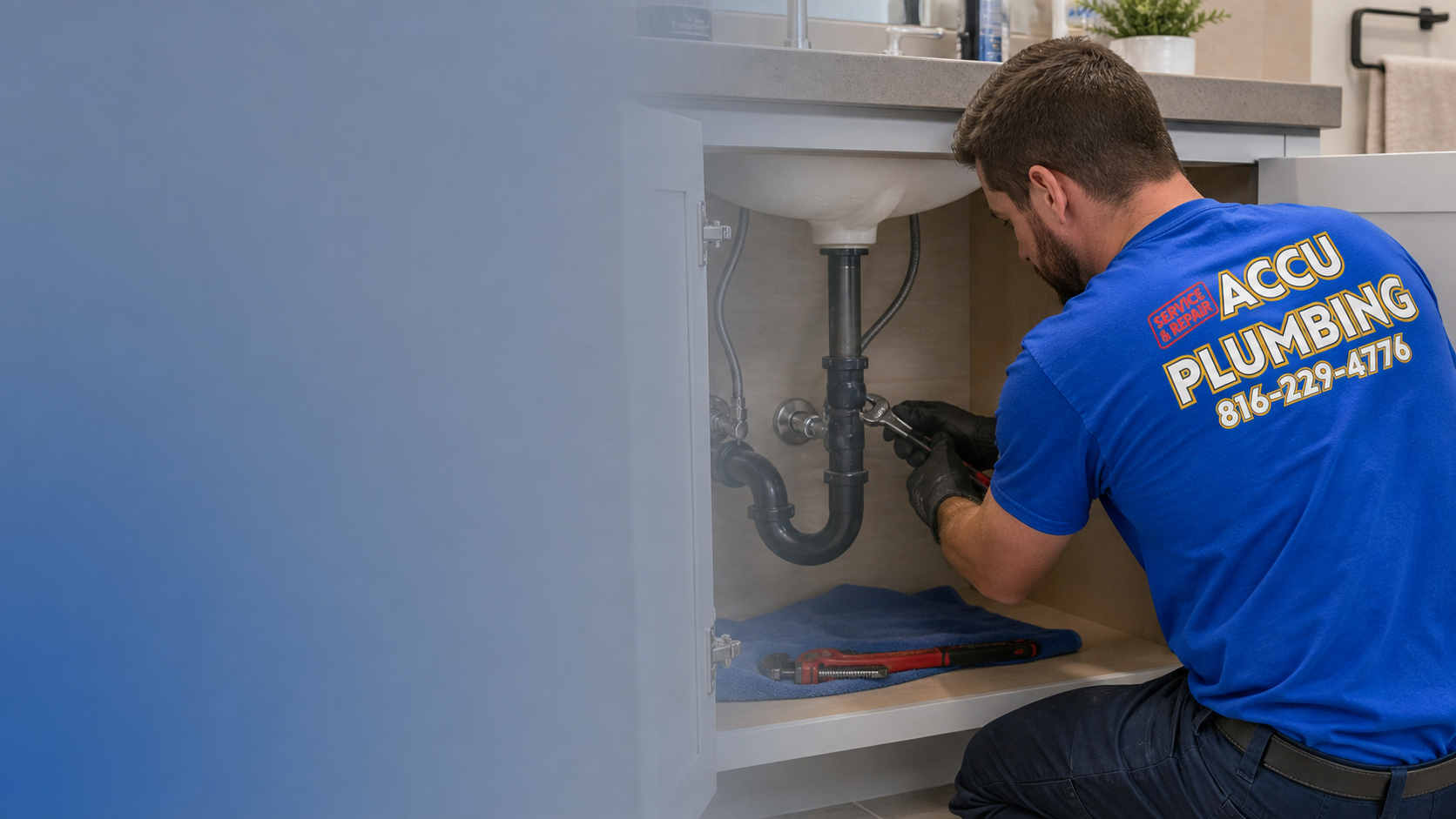
Plumbing problems can begin as small inconveniences, then become costly repairs if they are ignored. A slow drain, dripping faucet, running toilet, or unexplained drop in water pressure may seem minor at first, but each can point to a developing issue in the home’s plumbing system.
The most common residential plumbing problems include leaking pipes, clogged drains, low water pressure, running toilets, water heater issues, sewer backups, and fixture leaks. Some concerns can be prevented with routine maintenance, while others require professional diagnosis to avoid water damage, wasted water, or a larger plumbing failure.
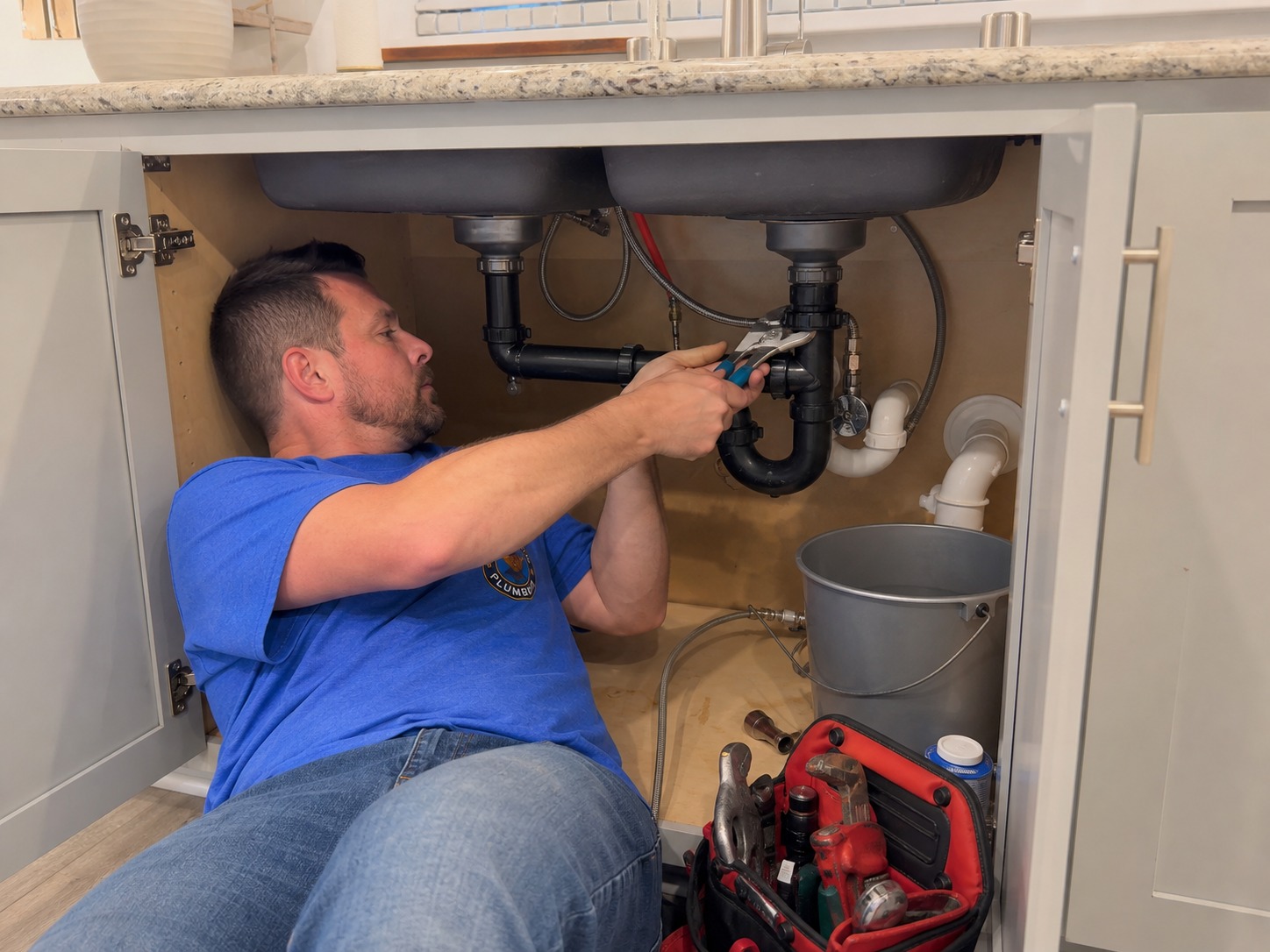
For homeowners in Blue Springs, Missouri, understanding the cause of a problem is the first step toward choosing the right solution. A residential plumber can determine whether the issue is isolated, related to aging plumbing, or connected to a larger drain or sewer line concern.
Quick Answer: What Are the Most Common Plumbing Problems?
The most common residential plumbing problems are:
- Dripping faucets
- Leaking pipes
- Clogged drains
- Running toilets
- Low water pressure
- Water heater problems
- Sewer line backups
- Garbage disposal issues
- Sump pump problems
- Fixture leaks and worn plumbing components
Many plumbing problems become easier to resolve when addressed early. If you notice water damage, sewage backups, persistent leaks, multiple slow drains, or a sudden change in water pressure, schedule professional plumbing repairs in Blue Springs, Missouri.
1. Dripping Faucets
A dripping faucet is one of the most common household plumbing concerns. While the sound may be annoying, the issue can also waste water over time and increase utility costs.
What Causes a Dripping Faucet?
Common causes include:
- Worn washers or seals
- Damaged cartridges
- Corroded valve components
- Loose parts inside the faucet
- Mineral buildup
- Normal wear from frequent use
The exact cause depends on the faucet style and age. A small drip may be caused by a replaceable component, but older or heavily corroded fixtures may need more extensive repair or replacement.
When to Call a Plumber
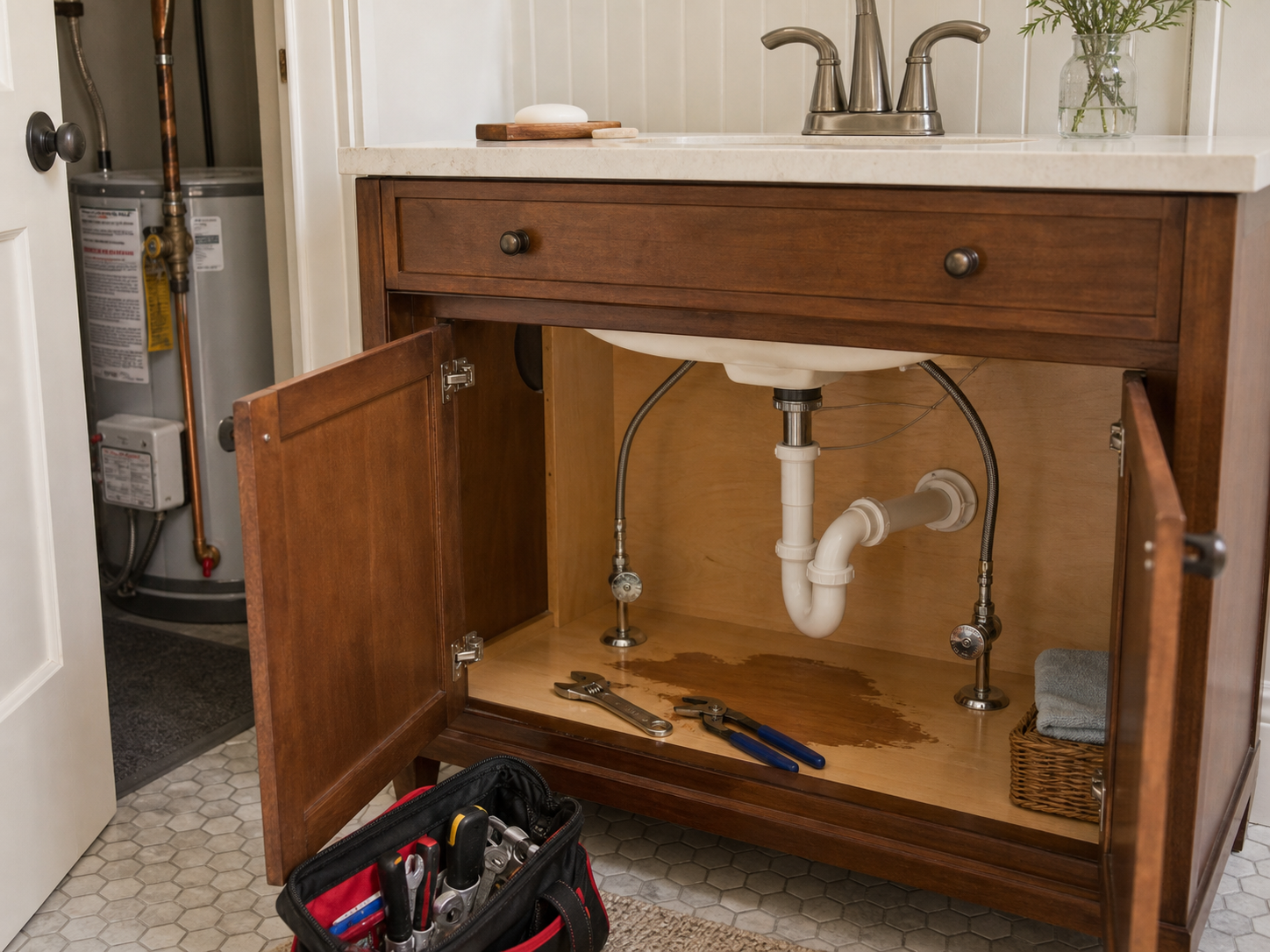
Call a plumber if the leak continues after a basic adjustment, water is leaking beneath the sink, the fixture is difficult to operate, or corrosion is visible around the faucet base or supply lines.
2. Leaking Pipes
Leaking pipes can cause serious damage if they are not identified and repaired promptly. Even a slow leak can affect cabinets, flooring, drywall, insulation, and nearby structural materials.
What Causes Leaking Pipes?
Leaking pipes may result from:
- Corrosion
- Loose fittings
- Cracked or damaged pipe
- High water pressure
- Freezing temperatures
- Aging plumbing materials
- Shifting or settling around pipe connections
- Poorly installed or worn supply lines
Some pipe leaks are easy to spot, while others occur behind walls, under floors, or in crawl spaces. Signs of a hidden leak can include water stains, peeling paint, musty odors, warped flooring, unexplained moisture, or an unusually high water bill.
When to Call a Plumber
Contact a residential plumber in Blue Springs, Missouri, if you see water damage, notice an active leak, or suspect a hidden plumbing issue. Prompt repairs can help reduce the risk of mold growth and more extensive property damage.
3. Clogged Drains
Clogged drains are among the most frequent reasons homeowners request plumbing service. A drain may slow gradually as debris collects inside the pipe, or it may clog suddenly after an obstruction blocks water flow.
What Causes Clogged Drains?
Common causes vary by fixture:
- Hair and soap residue in showers and bathroom sinks
- Grease, food particles, and soap buildup in kitchen drains
- Wipes, paper towels, hygiene products, or other inappropriate items in toilets
- Mineral deposits inside older pipes
- Foreign objects in the drain line
- Roots entering a damaged sewer pipe
One slow fixture may indicate a localized clog. Several slow drains at once can point to a restriction in a shared branch line or the main sewer line.
When to Call a Plumber
Professional drain service is recommended when clogs keep returning, multiple fixtures are slow, water backs up into another drain, or household drain cleaners have not solved the problem.
Avoid mixing chemical drain cleaners. They may not remove the full blockage and can create safety concerns for anyone servicing the line.
4. Running Toilets
A running toilet can waste a significant amount of water without always being obvious. You may hear the tank refill periodically, notice water moving in the bowl, or hear a constant hissing sound after flushing.
What Causes a Running Toilet?
Common causes include:
- A worn flapper
- A faulty fill valve
- An improperly adjusted float
- A damaged flush valve
- A loose or worn chain
- Mineral buildup affecting internal tank components
Many running-toilet issues involve parts inside the tank. However, if the toilet is leaking from the base, rocking, backing up, or causing water to appear on the floor, the problem may require professional attention.
When to Call a Plumber
Call a plumber if the toilet continues running after an attempted adjustment, leaks onto the floor, flushes poorly, backs up often, or causes unusual gurgling in nearby fixtures.
5. Low Water Pressure
Low water pressure can make daily tasks frustrating. You may notice weak shower flow, slow-filling washing machines, reduced faucet flow, or changes that affect several fixtures throughout the home.
What Causes Low Water Pressure?
Possible causes include:
- Mineral buildup in faucet aerators or showerheads
- A partially closed shutoff valve
- A pressure-regulator issue
- Corroded or aging pipes
- A plumbing leak
- Sediment in water-using appliances
- A water-supply issue affecting the property
If low water pressure occurs at one fixture, the issue may be isolated to that fixture. If it affects the entire house, the cause may be in the water supply, pressure regulation, or plumbing system.
When to Call a Plumber
Schedule service if low water pressure begins suddenly, affects multiple fixtures, occurs with visible leaks, or does not improve after basic fixture cleaning.
6. Water Heater Problems
Hot water problems can interrupt showers, laundry, dishwashing, and other daily routines. Common warning signs include no hot water, inconsistent temperatures, hot water that runs out quickly, unusual noises, or water around the base of the unit.
What Causes Water Heater Problems?
The cause depends on whether the home has a traditional tank water heater or a tankless model. Common concerns can include:
- A faulty thermostat
- Worn heating components
- Ignition or gas-control issues
- Sediment buildup
- A leaking valve or plumbing connection
- A failing storage tank
- A unit that no longer meets household demand
An aging water heater with recurring issues may need replacement. A newer unit with an isolated component problem may be a good candidate for repair.
When to Call a Plumber
Call for professional service if the unit leaks, produces rusty water, makes loud rumbling noises, fails to provide hot water, or repeatedly needs repairs.
7. Sewer Line Backups
A sewer backup is more serious than an ordinary clogged drain. It occurs when wastewater cannot move through the sewer line and begins backing up through drains, toilets, tubs, showers, or floor drains.
What Causes Sewer Backups?
Common causes include:
- Tree root intrusion
- Grease and debris buildup
- Wipes and other non-flushable materials
- Cracked or separated sewer pipes
- Collapsed pipe sections
- Pipe offsets caused by soil movement
- Heavy internal buildup
- A blockage in the main sewer line
Signs of a potential sewer issue include several slow drains, gurgling fixtures, sewage odors, water backing up when another fixture is used, and repeated main-line clogs.
When to Call a Plumber
Contact a plumber promptly if wastewater is backing up into the home, multiple fixtures stop draining, a floor drain overflows, or sewage is present. Stop using water fixtures until the issue can be assessed.
8. Garbage Disposal Problems
A garbage disposal can be convenient, but it is not designed to handle every type of kitchen waste. Disposal problems may cause humming, poor drainage, unpleasant odors, or a complete kitchen-sink backup.
What Causes Garbage Disposal Problems?
Common causes include:
- Grease buildup
- Fibrous food scraps
- Bones or hard objects
- Large quantities of food waste
- Nonfood items
- Lack of water while operating the disposal
- A jammed internal component
- A worn or damaged disposal unit
Grease should never be poured into a kitchen drain, even if it is liquid when it enters the sink. It can cool inside the pipe and contribute to a clogged drain.
When to Call a Plumber
Call a plumber if the disposal leaks, repeatedly jams, hums without grinding, trips power repeatedly, or causes persistent kitchen-drain clogs. Never put your hand inside a disposal to remove an obstruction.
9. Sump Pump Problems
A sump pump helps move groundwater away from a basement or crawl space. If the system fails during heavy rain or snowmelt, the risk of flooding and water damage can increase.
What Causes Sump Pump Problems?
Possible issues include:
- Power outages
- A stuck float switch
- A clogged discharge line
- A blocked intake screen
- An undersized pump
- Poor installation
- A failed check valve
- An aging pump motor
A sump pump may appear to work during testing but fail when it needs to run continuously during a major weather event. Regular inspection and testing can help identify problems before they become urgent.
When to Call a Plumber
Schedule service if the pump will not turn on, runs continuously, makes unusual noises, fails to remove water, or has a damaged discharge line.
10. Fixture Leaks and Worn Plumbing Components
Plumbing fixtures and their connections experience daily use. Over time, seals, valves, supply lines, cartridges, and connections can wear out.
What Causes Fixture Leaks?
Common issues include:
- Worn toilet seals
- Loose sink drain connections
- Damaged supply lines
- Corroded shutoff valves
- Leaking shower valves
- Worn caulking around fixtures
- Old or failing washing-machine hoses
A small leak beneath a sink or behind a toilet can cause cabinet damage, flooring issues, or mold if it remains unnoticed.
When to Call a Plumber
Professional help is appropriate when a leak cannot be traced, water damage is visible, the fixture needs repeated repairs, or a connection appears corroded or damaged.
How Can Homeowners Help Prevent Plumbing Problems?
Many plumbing problems cannot be completely avoided, especially in older homes. However, basic maintenance and early action can reduce the risk of emergencies.
- Repair drips and small leaks promptly.
- Keep grease, oils, and food scraps out of kitchen drains.
- Use drain screens in showers, tubs, and sinks.
- Avoid flushing wipes, paper towels, and hygiene products.
- Watch for changes in water pressure, drain speed, or water temperature.
- Inspect exposed pipes, supply lines, and fixtures for moisture.
- Know where the main water shutoff valve is located.
- Schedule professional service when problems recur or affect multiple fixtures.
Preventative plumbing maintenance can help identify leaks, worn components, drain concerns, and water-heater issues before they become major repairs.
Frequently Asked Questions About Residential Plumbing Problems
What is the most common plumbing problem in a home?
Clogged drains, dripping faucets, leaking pipes, and running toilets are among the most common residential plumbing problems.
When should I call a plumber for a clogged drain?
Call a plumber when the clog keeps returning, affects multiple fixtures, causes backups, or does not respond to basic maintenance.
Why is my toilet running when no one is using it?
A worn flapper, faulty fill valve, or other internal tank component may be allowing water to continue flowing into the bowl or triggering the tank to refill.
Can low water pressure indicate a leak?
Yes. Low water pressure can sometimes indicate a plumbing leak, particularly when the change is sudden or affects several fixtures. It can also be caused by fixture buildup, valve issues, or aging pipes.
What plumbing issue requires emergency service?
Sewage backups, burst or rapidly leaking pipes, flooding, a leaking water heater, and situations that threaten property damage or household safety require prompt professional attention.
Schedule Plumbing Repairs in Blue Springs, Missouri
Recognizing common residential plumbing problems early can help you avoid water damage, disrupted routines, and more expensive repairs. Whether you are dealing with leaking pipes, clogged drains, low water pressure, a running toilet, or a sewer concern, the right diagnosis makes a difference.
For plumbing repairs in Blue Springs, Missouri, contact ACCU Plumbing to schedule service. Their team can assess the problem, explain the cause, and recommend a practical solution for your home.